If you missed Part 1, I broke down why there is not a standard sync rate card in the business, the factors that determine how much you get paid, and why owning your work is essential. Catch up at https://thisisyourluckybreak.substack.com
Dear Friends — welcome back to my music sup diary, where I write about the things I think about and sometimes say out loud. 😂
Last week, I laid the foundation. This week, we’re getting into the money — and where the biggest sync payouts live.
There’s an unofficial hierarchy that sync professionals understand. The top of that hierarchy isn’t where most artists are focused, and it’s not what people new to the business are typically told to pursue. Let’s fix that.
Tier 1: Advertising & Commercials — The Biggest $$
Advertising is top dog. Full stop.
I’ve watched artists/composers and sync pros pour everything into landing a Film or TV placement while completely overlooking the category that could actually change their financial lives. If your music is in a major brand campaign — a national TV spot, a global product launch, a franchise promotion — you are in the room where the real money is.
Here’s why: when a brand attaches a song to a major campaign, that music stops being background and becomes the brand itself. It lives in the TV spot, the digital ads, the social content, the in-store experience, the promotions — everywhere, simultaneously. The song becomes the emotional shorthand for whatever they’re selling. That is not a small ask, and the fees reflect it. We’re talking approximately $15,000 to $250,000 for a national TV commercial placement. Major global brand campaigns can run $100,000 to $500,000 and well beyond. Every deal is different — but the numbers are real.
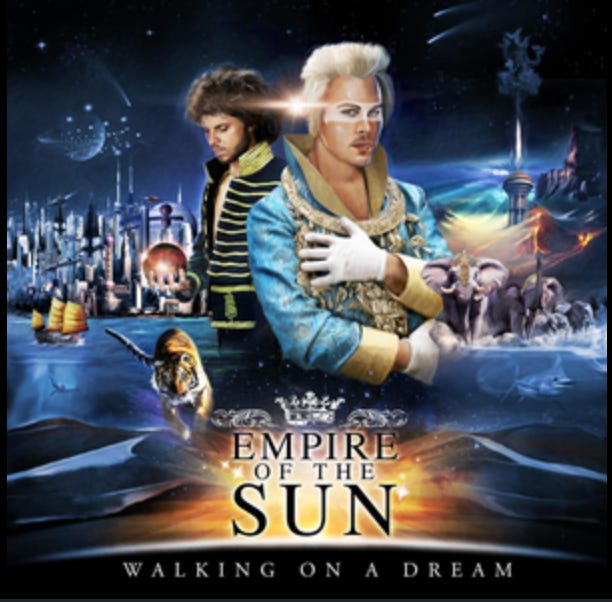
And here’s something that doesn’t get talked about enough — advertising doesn’t just pay well upfront, it can literally resurrect a career. Empire of the Sun released “Walking On A Dream” back in 2008. Great song. Did well. Then Honda used it in a Civic commercial in 2016 — and that track came back to life. Charted on the Billboard Hot 100. Years after its original release. That is the power of a brand campaign done right. The sync fee is only part of the story.
Super Bowl commercials.
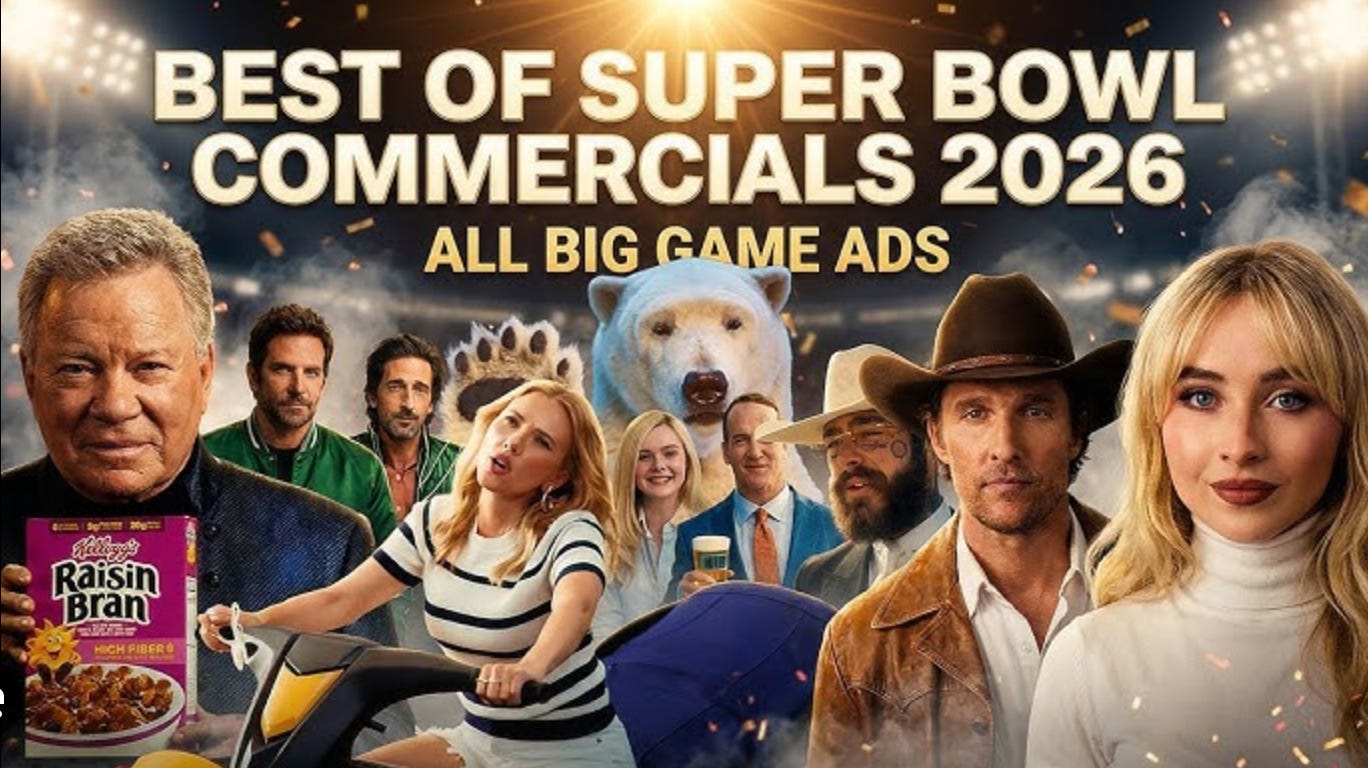
Brands and agencies start building their next Super Bowl campaigns almost immediately after the current one airs. That’s not an exaggeration. This is the most-watched televised event in the United States — it’s practically a national holiday. People who don’t follow football might tune in specifically for the commercials. The ads get reviewed, ranked, and debated like the game itself. If you haven’t seen these, there are actual television specials that break down and showcase the history of Super Bowl commercials. Yes! This is not for the weak at heart.
In fact, here’s what’s happening right now that tells you everything about the stakes: Super Bowl LXI in 2027 is being broadcast for the first time by ESPN, simulcast on ABC — Disney’s first Super Bowl in over a decade. Apparently, Disney came to market asking $10 million for a single 30-second spot. Ten million dollars. Thirty seconds. I’ve heard they’ve since negotiated closer to $8 million, and brands are still buying. When the media buy alone costs $8 million for half a minute, the song they chose and the music budget for that commercial is not an afterthought. Not even close. This is a huge moment for the brand, the artist, and their music.
Note on the Super Bowl halftime show — see sync in sports below. This is a separate conversation, separate budget, separate universe from Super Bowl commercials.
Tier 2: The Billion-Dollar Gamingverse
This industry generates billions, and the AAA titles — the blockbusters of the gaming world, think GTA, Fortnite, the massive productions with budgets to match — treat music as essential infrastructure. Not decoration. The music fuels the player, deepens the experience, and extends the session. These companies understand that deeply, and their music budgets reflect it. If you've played GTA, Fortnite, or any of the major titles — YK.
The development in gaming has such an interesting history, and it’s imperative to understand how it unfolded into the billion-dollar industry that it is today.
Here’s what a lot of people don’t know — music wasn’t always part of gaming. It started as literal bleeps and bloops, purely functional, barely there - made by engineers. Do any Gen Xers out there remember? The moment everything changed was when technology expanded, and the gaming industry realized music didn’t just accompany gameplay — it altered the psychology of it. And nobody understood that earlier, or used it more strategically, than Steve Schnur at EA, who essentially turned Madden NFL and FIFA into the most powerful music discovery platforms on the planet — launching artists like The Weeknd, Imagine Dragons, and Florence + the Machine before radio knew their names.
And then there’s what Fortnite did — because it changed everything.
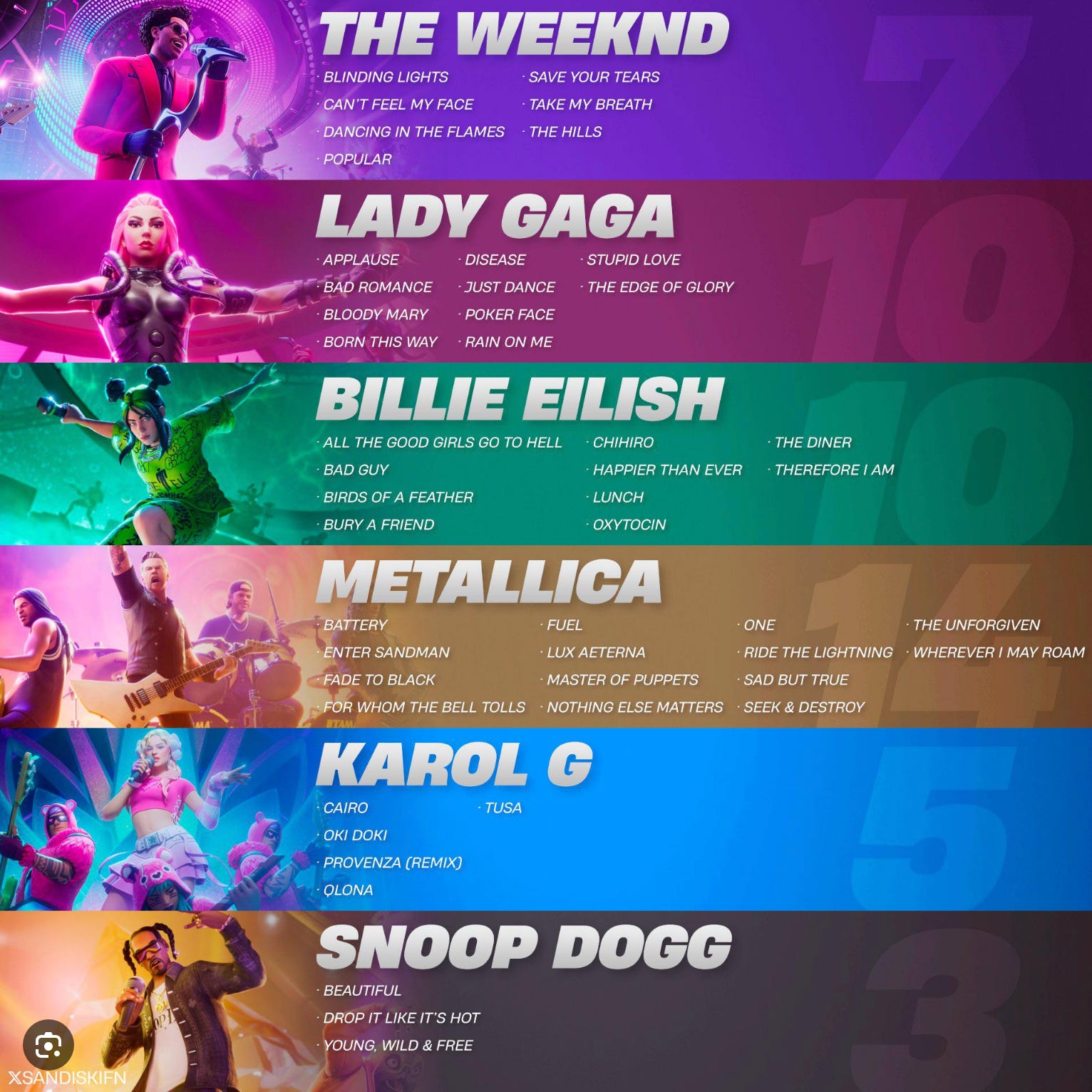
Epic Games invented a new category: the in-game live event. A virtual concert, inside the game world, in real time, with millions of players watching simultaneously. Travis Scott’s “Astronomical” event drew over 12 million concurrent players and approximately 27 million unique participants across five events. Industry sources have reported the full deal — performance, licensing, merchandise — in the range of $20 million, though exact terms, as always in this business, are confidential. For context: his entire 56-stop Astroworld tour earned approximately $53 million over four months of touring. One Fortnite event versus four months on the road.
Fortnite’s 2024 “Remix: The Finale” — Snoop Dogg, Eminem, Ice Spice, a posthumous tribute to Juice WRLD — broke that record. Ariana Grande, Lady Gaga, Billie Eilish, Metallica have all performed in-game. That roster is not a coincidence. It’s a signal.
Placement fees vary widely. A few hundred dollars at the indie level. $50,000 or more for a significant placement in a major title. Considerably higher for the right artist on the right franchise. Composers in this space often work under work-for-hire agreements — meaning they deliver the music, receive a flat fee, and retain no rights or backend royalties. Different model from licensing an existing track, but composers who specialize here build real, sustainable careers. It’s a legitimate lane and it’s still growing.
For independent artists looking to break in, here’s the intel — major gaming companies maintain deep relationships with major labels and established names. It’s a tight network. Not impossible, but tight.
The Gamingverse is getting its own dedicated diary entry. There is way too much here to contain in this itty-bitty diary overview.
Tier 3: Sports — Bigger Than You Think
Sports licensing doesn’t get talked about the way it should — and I find that puzzling, because the footprint is enormous and it’s a world unto itself.
Leagues, broadcast networks, highlight reels, stadium experiences, walk-up music, promotional campaigns, documentaries, global events — all of it runs on licensed music. And the backend on sports content is particularly compelling because sporting events and highlight packages air repeatedly. Performance royalties through ASCAP and BMI accumulate every time that content airs. That’s a revenue stream with real staying power.
Broadcast placements range from approximately $50 for a short background cue to $45,000 or more for featured usage on a major network — depending on duration, prominence, and audience size. In-stadium is its own world. Blanket licenses from the PROs cover general use, but any tracks synchronized to specific content — a jumbotron highlight package, a walk-up video, branded activations — require a separate negotiation directly with the publisher. Most people outside the business don’t know that distinction exists. Now you do.
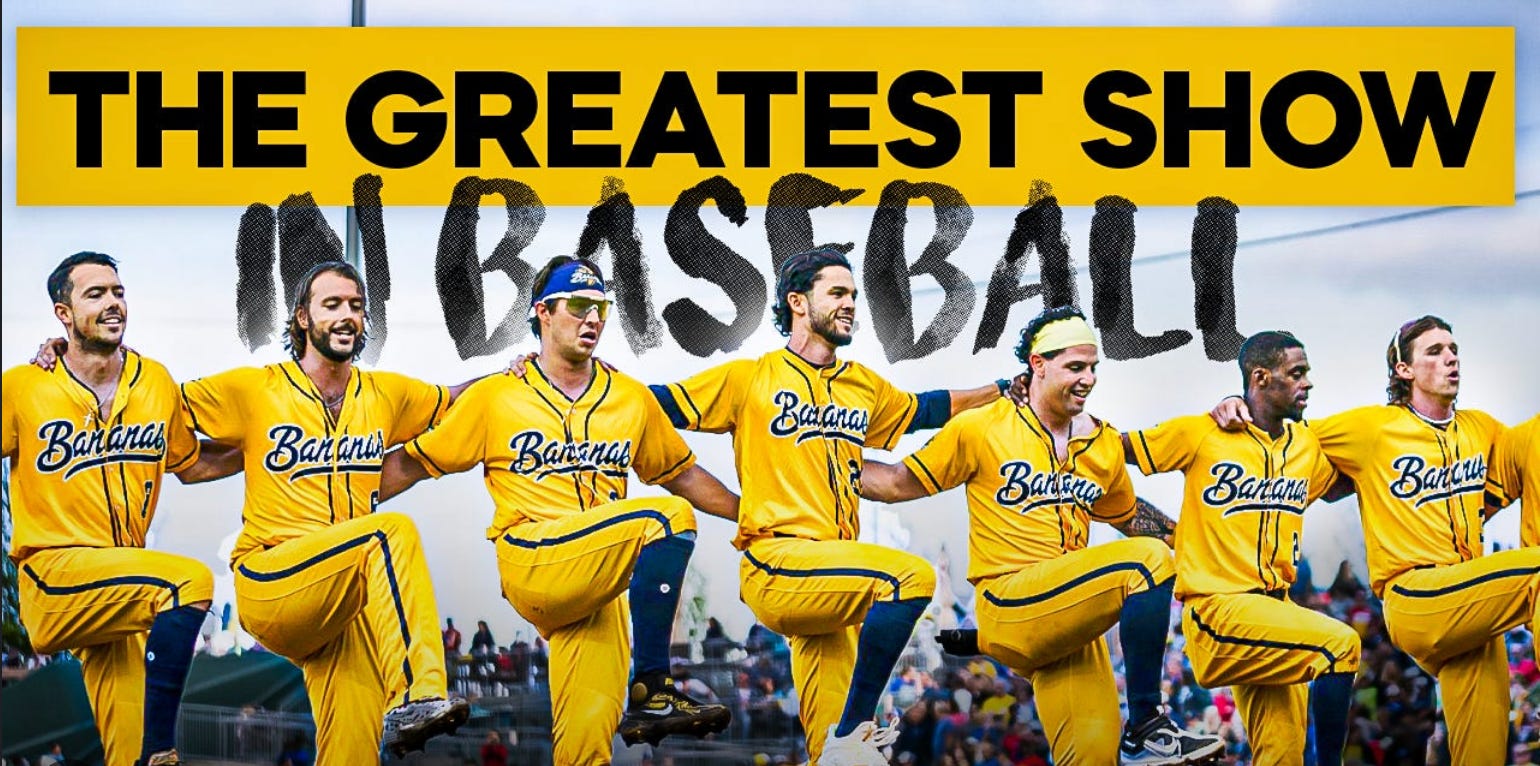
Who Said Savannah Bananas? They have exploded onto the scene and have a great origin story. If you don’t know who they are, stop what you’re doing (after you read this!) and look them up. Entertainment-first touring baseball team, think the Harlem Globetrotters musical of baseball. Music is not background at their shows — music is a huge part of the show. And it’s a show. Players dance, perform choreographed routines, walk up to popular tracks woven into the entire live experience. They’ve sold out NFL stadiums, including Raymond James Stadium in Tampa in front of 65,000 fans, and they now have broadcast deals with ESPN, Disney+, and The CW. That broadcast footprint means serious sync obligations. A full deep-dive is coming to American Music + Media — and when I get the inside story on how they handle the music, you’ll hear it here first.
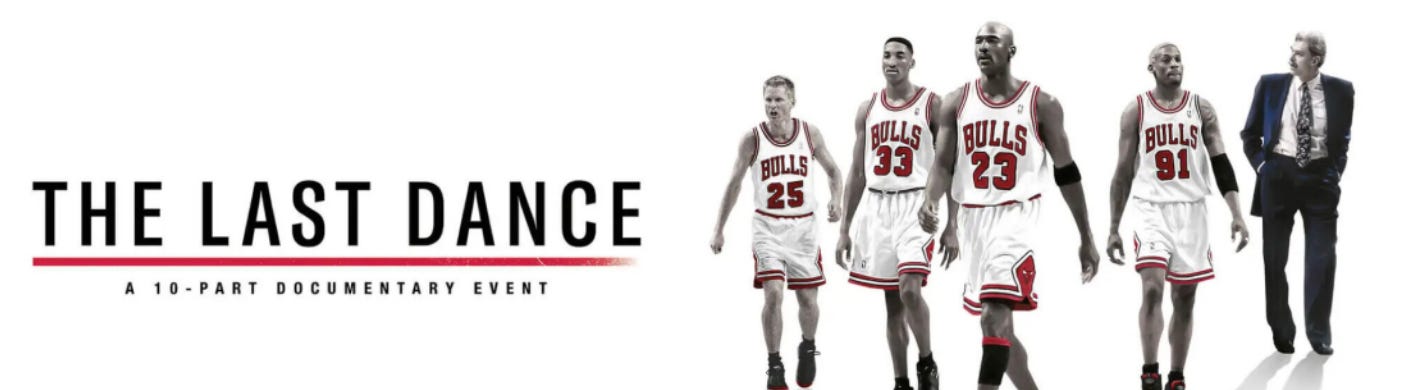
Sports documentaries deserve their own mention. The Last Dance. Beckham. Arnold. These productions license music exactly like any documentary — but they need era-defining tracks, the songs that were actually playing during those cultural moments. Rights holders for that catalog know exactly what they have. And they negotiate accordingly.
Last but not least - the Super Bowl halftime show. Performing there is an extraordinary honor, but it is famously not the biggest performance payday relative to what these artists command elsewhere. What it is, without question, is the single most valuable promotional platform in music. Streaming surges, catalog spikes, and cultural moments that reach people who hadn’t thought about that artist in years — or ever. Kendrick Lamar at the 2025 halftime show went from critically celebrated to mainstream cultural force in one night. This story gets its own diary entry. Stay tuned.
More Sync in Sports is coming as its own dedicated series to American Music + Media soon!
Tier 4: Animation — Who Knew? Not me.
As I write this, many of our industry colleagues are gathered in Annecy, France, for the world’s largest animation festival. The business market, MIFA, wraps June 26th — and what’s coming out of those conversations is illuminating something the broader industry has been slow to fully reckon with. Animation has quietly become one of the most lucrative sync categories in the business. Sitting right alongside gaming and advertising. And I have not heard anyone talking about it around the water cooler.
We hear “animated film,” and we think it’s adjacent to regular film. No, it is not! Well, it is, but it isn’t. A major animated tentpole is not just a movie — it’s a franchise launch. The music doesn’t just score scenes. It becomes the sonic identity of a property that will live across streaming, consumer products, theme parks, and social media for years. The song attached to that film isn’t doing one job. It’s doing twenty.
Think about what Justin Timberlake built with Trolls or what Pharrell created with the Despicable Me franchise. Those weren’t just fun, creative collaborations — they were major music deals with enormous commercial footprints. A flagship theme for a studio animated tentpole is frequently structured as a worldwide, all-media, perpetual buyout. The studio needs that music everywhere, forever. From what I’m hearing in industry conversations — and these are not published figures, just what people are actually talking about — placements at this level start well into the six figures for the right track. For a major artist attached to a global franchise? The number gets very interesting very fast. If you’ve negotiated one of these deals and want to share, my DMs are open. 👀
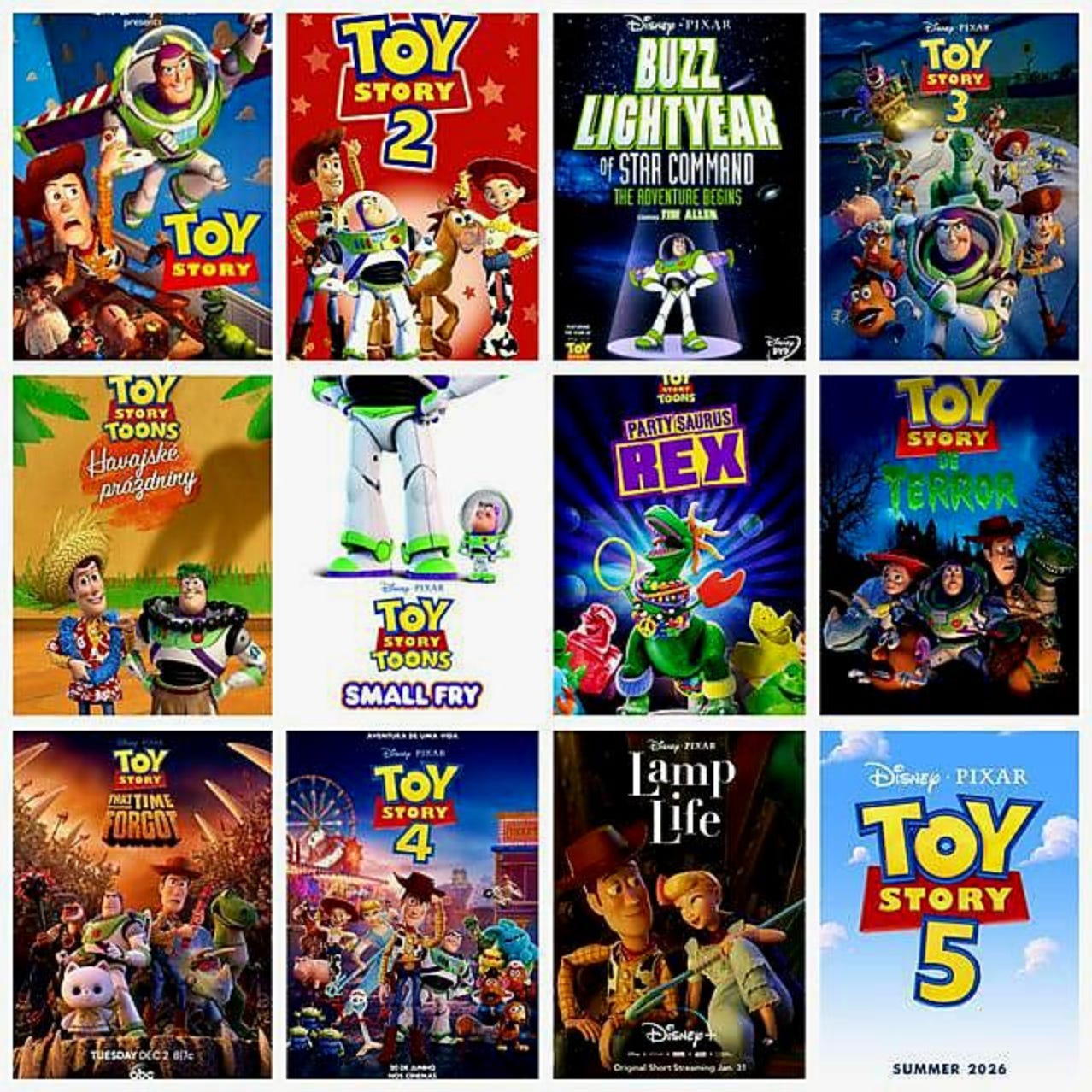
What makes animation uniquely demanding from a music supervisor’s perspective is the brief. The music has to be universally appealing, high-energy, completely clean — and still cool enough that parents don’t lose their minds on the third listen. (And trust me, there will be a third listen. And a thirtieth.) That brief pushes supervisors toward premium catalog — the multi-generational hits, the iconic artists, the songs with real cultural staying power. Publishers and labels that hold that catalog know exactly what they have. They hold their position. And they should.
Last but not least, the Marvel franchise universe. You thought I would forget? No way - this massive franchise universe model takes everything I just described and multiplies it. Marvel is the clearest example. The music strategy across the Marvel universe spans theatrical films, Disney+ series, animated content, games, theme parks, and global promotional campaigns simultaneously. That’s not a sync deal — that’s a long-term sonic partnership. The music supervisor operating at this level, the King of Marvel music - Dave Jordan, and his amazing team are managing one of the most valuable and complex music ecosystems in entertainment. When your song enters that world, it doesn’t just appear in a film. It enters a franchise-verse.
The result: a top-tier animated feature placement can rival advertising rates. I didn’t see that coming when I started writing this. Animation is getting its own full piece — a deep dive is warranted!
Next Wednesday, Part 3 covers another territory many artists focus on: television and streaming. I’ll break down network TV backend royalties, which Netflix pays less than people think, and what those Stranger Things music breakouts actually meant in dollars. Thanks for sharing my diary with me.
— Jacquie Lucky
@This Is Your Lucky Break | New every Wednesday.
For deeper reporting on music industry news, revenue trends, publishing data, and sync market analysis, visit American Music + Media — where I serve as Publisher and Editor-in-Chief.
Subscribe >> amusicmedia.com