


This is the final installment of a four-part series on how sync placements pay.
Part 1: Why there’s no rate card and the five factors that move the number.
Part 2: advertising, gaming, sports, and animation — the top-tier rate categories.
Part 3: Network TV, streaming, backend royalties, and the ownership examples that changed the conversation.
Catch the full 4-part series @ thisisyourluckybreak.com.
We made it to Part 4! I’m so happy you’re here. Thanks for coming along on this journey with me.
I saved this one for last intentionally — because film is the most variable rate tier of all, and it deserves the special red carpet treatment. Yes, I said it.
Film is not one “thing”; it can encompass more than one type of outlet, which, in turn, changes the pay-rate dynamics. In terms of financial realities, a student film versus a studio blockbuster film is so different that they don’t belong in the same conversation. If you’re an artist, a composer, or a music professional navigating this space, understanding those distinctions before you walk into a negotiation is the difference between knowing your worth and leaving money on the table.
Let’s break it down.
Tier 7: Film — The Most Variable Tier of All
Film sync fees depend on the type of film, the production budget, who the artist is, and how the music is being used. Before we talk numbers, let’s establish the landscape — because each of these categories operates under completely different financial realities:
Short films — student projects, festival submissions, passion projects. Music budgets are usually nonexistent or minimal at best.
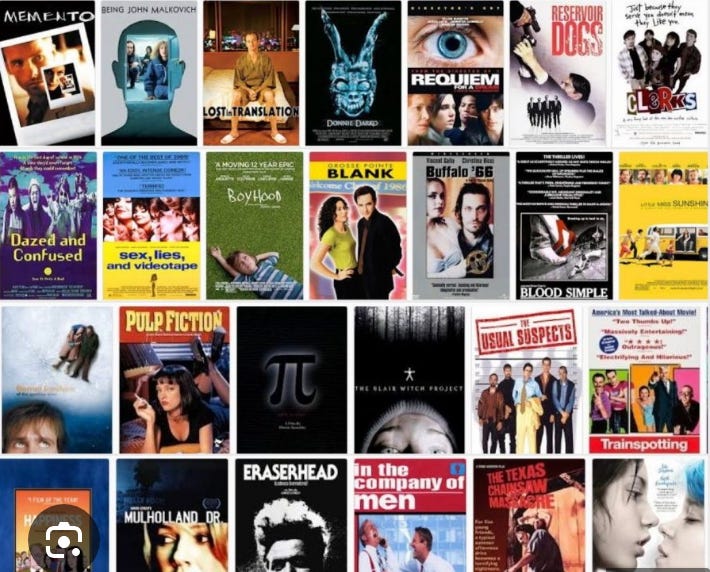
Micro-budget and independent feature films — made outside the studio system, often with skeleton crews and, again, music budgets are nonexistent or minimal at best. These usually start with film festival rights to keep costs low.
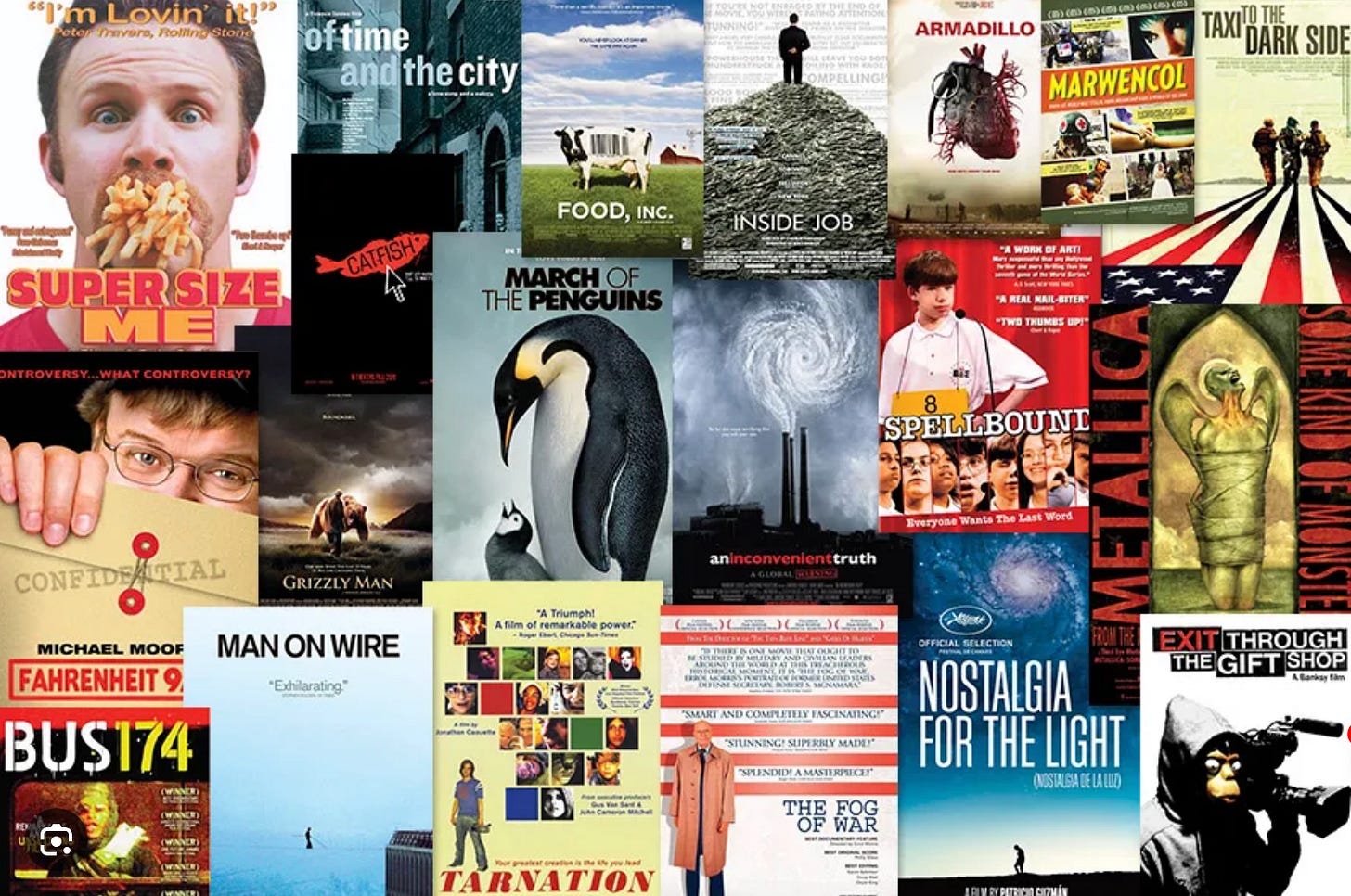
Documentary films — considered a feature film format, with their own distinct budget structures and sync norms. Usually tight budgets, though this depends heavily on the production company and where the film is being distributed.
Mid-budget independent films — with real distribution attached, either pre-sale or post-festival acquisition. Budgets can vary significantly depending on the production and distribution company.
Studio and blockbuster films — major studio productions with full music budgets and a music supervisor and music team on staff.
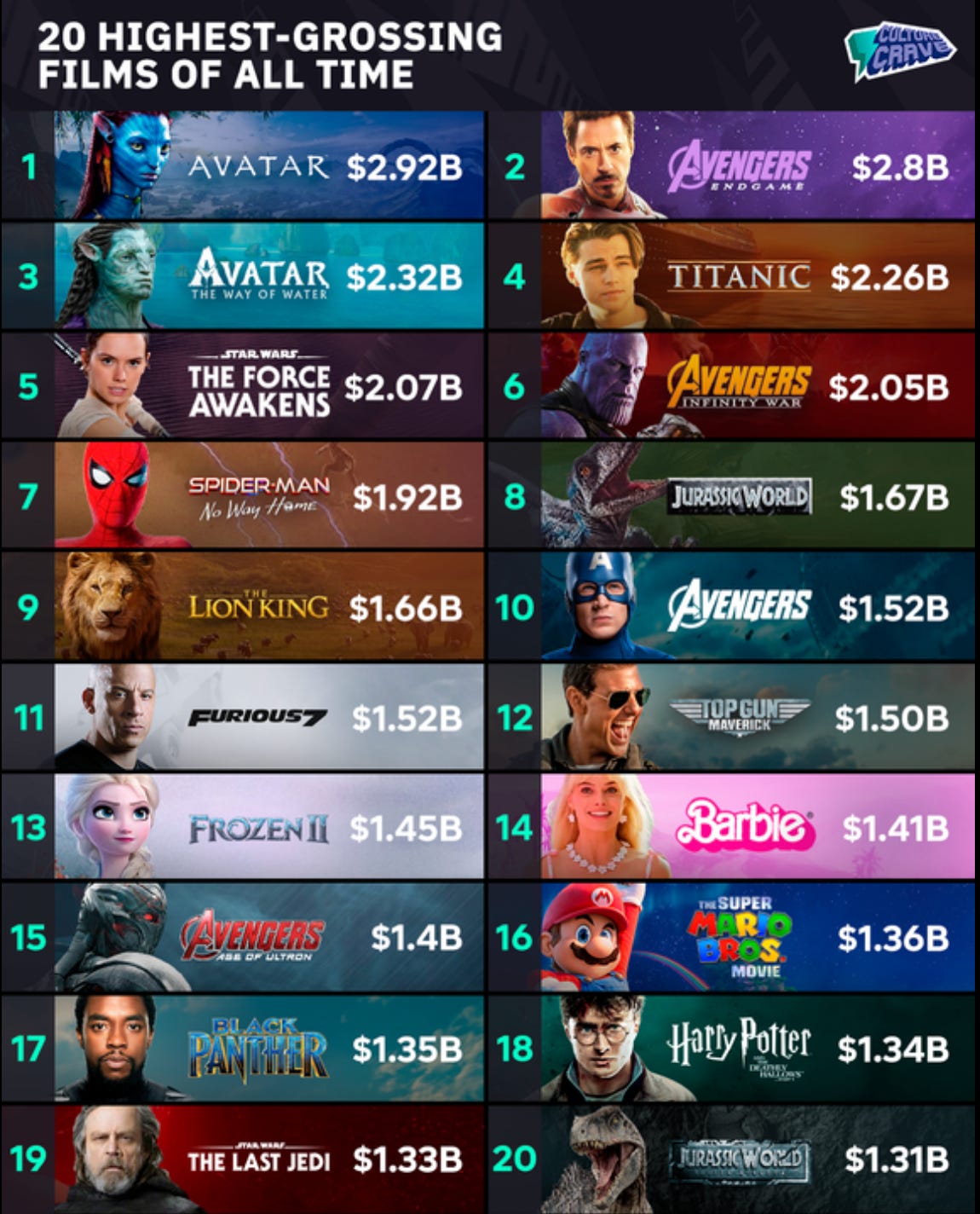
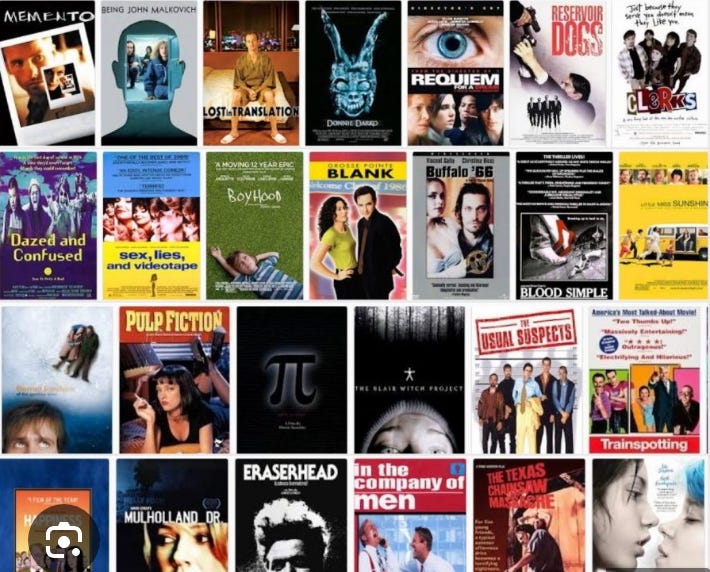
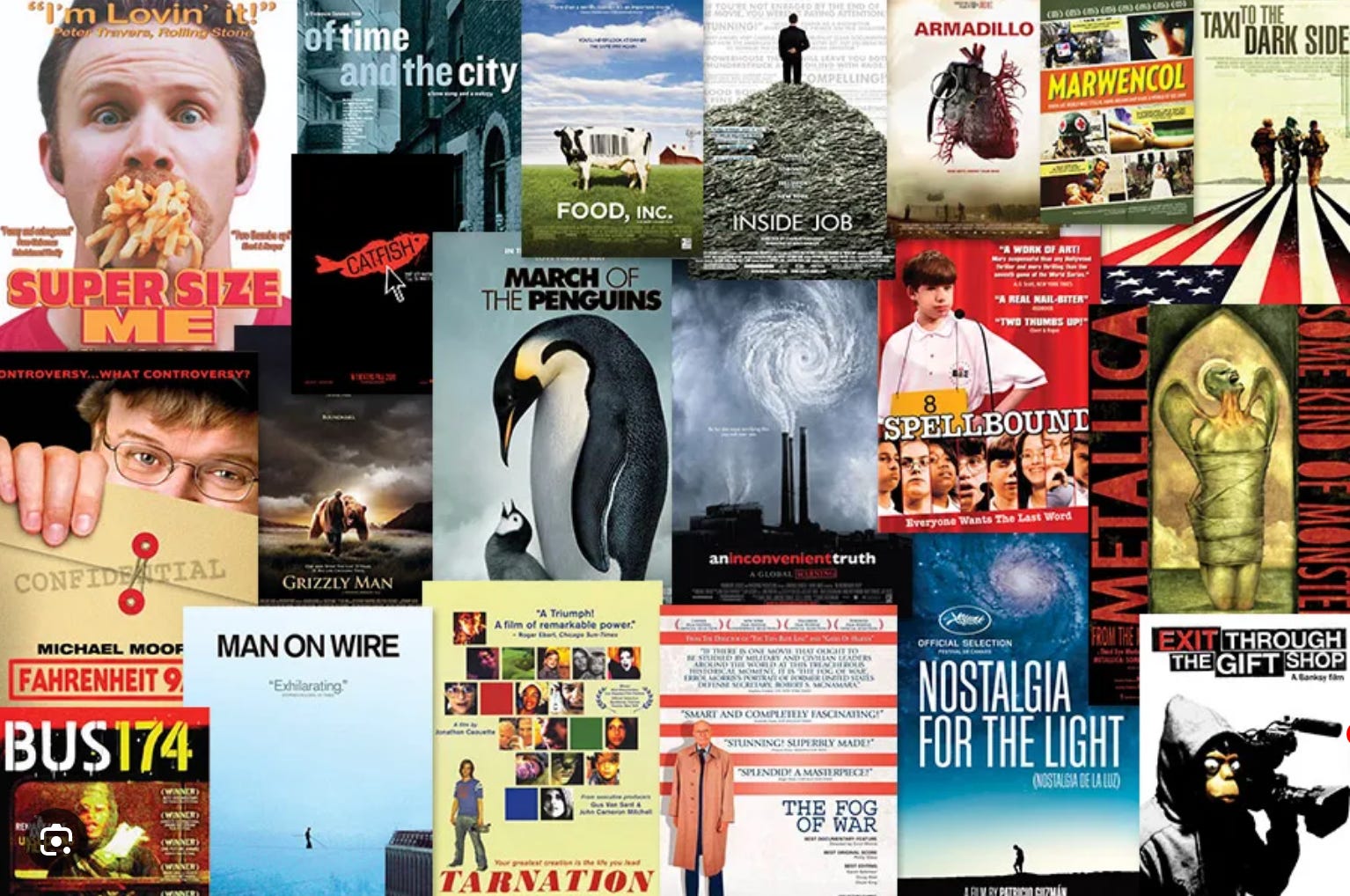
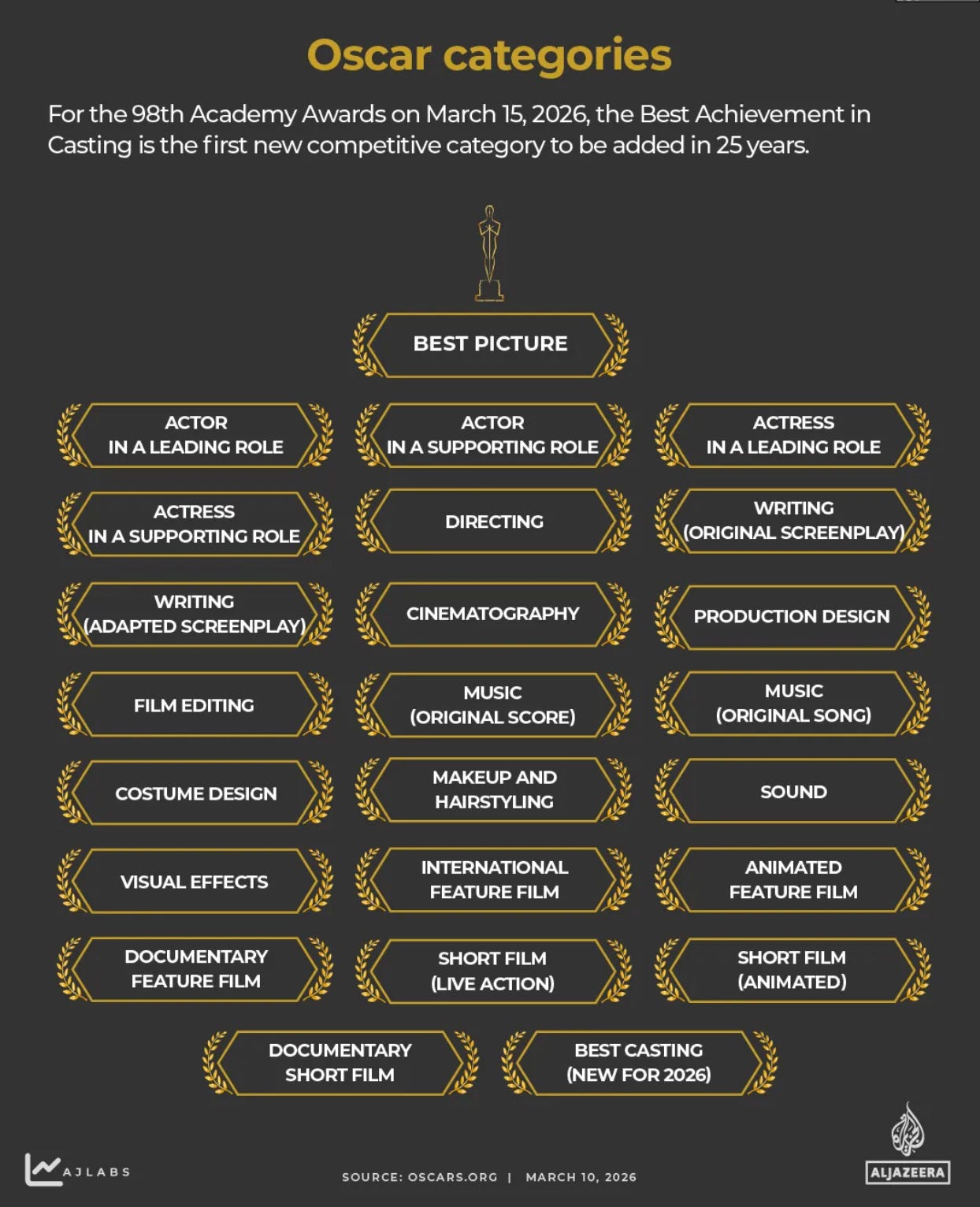
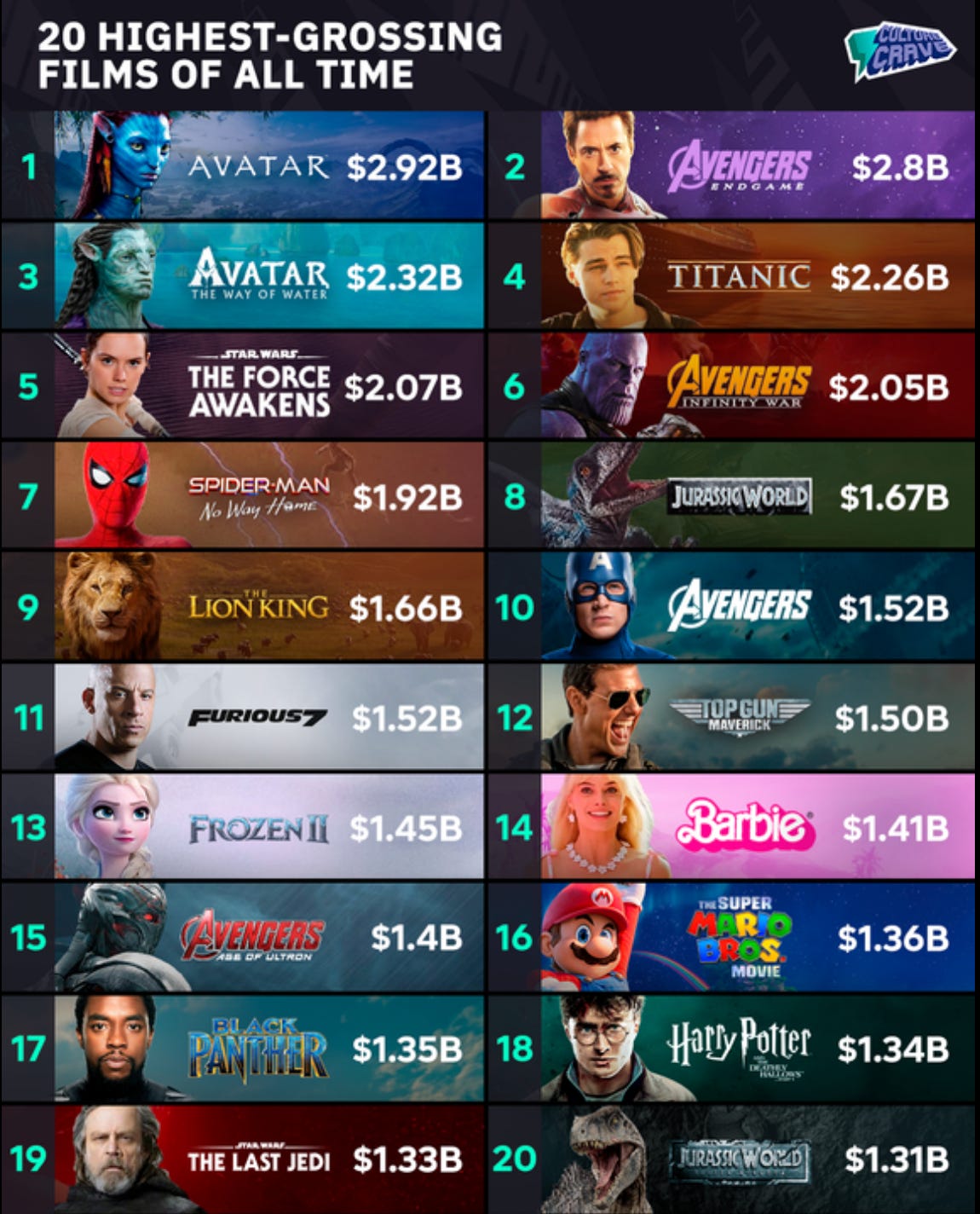
Here’s why these distinctions matter: filmmakers typically allocate anywhere from 1% to 10% of their total production budget to cover all music costs. That single pool has to cover the original score, sync licenses, music supervision fees, clearance and licensing team fees, session musicians, recording studios, and more. When the total budget is $300,000, the music budget gets stretched thin fast — and composers are often making music for the love of it. Which, honestly… kind of sucks.
Considering music is a major part of the storytelling process, you’d think the music budget would naturally be higher. You can’t have a motion picture without music. Have you ever watched a movie without music? No, I didn’t think so.
Some filmmakers really respect and honor the music in their films, and they understand the reality of how music helps make the film’s story truly shine and emotionally connect with the audience. And then there are the folks who slam it to the bottom of the budget and try to slide by without taking into account that music needs to be respected and taken seriously.
Film Composers and Original Scores
Here’s something I’ve seen consistently, especially at the independent and documentary levels: many films — particularly indie features and documentaries — hire a composer to score the entire film rather than licensing pre-existing tracks. It’s often more economical, it gives the director complete creative control, and it sidesteps the complexity of clearing multiple rights holders.
Composers on film projects are typically hired under what’s called a “package deal” — one flat fee that covers everything: their personal creative fee, hiring live session musicians, studio time, mixing, and mastering. Whatever is left after those expenses is the composer’s profit. It’s a model that puts real financial pressure on composers, especially at the lower budget tiers.
Here are some examples of what those package fees might look like — these rates fluctuate depending on the project, so don’t take numbers as a set rate:
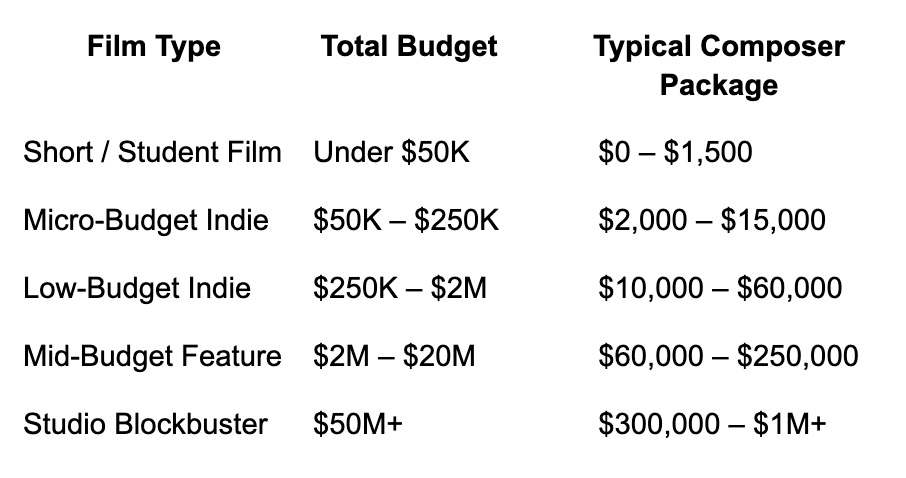
A general industry baseline: budget roughly $1,000 per finished minute of music as a starting point for a professional composer. That number scales up quickly on a feature. But again, this is a general rate, and this can fluctuate depending on the project and production company.
Sync Licensing for Pre-Existing Tracks in Film
When a music supervisor is brought on to source existing music — which is where much of my experience lives — generally the process starts with identifying the right tracks for the right scenes, then clearing the rights. You probably already know this, but I’m going to repeat it: every song requires two separate licenses:
Master Use License — paid to whoever controls the recording (label, artist, or both)
Synchronization License — paid to the publisher or songwriter for the composition
Standard practice is MFN — Most Favored Nations — meaning both sides receive equal fees. If you own both your master and your publishing, you collect both sides. Simple, clean, and significantly more valuable.
Here’s how sync fees break down by film type:
Festival rights only — if a film hasn’t secured distribution yet and is heading to the festival circuit, rights holders can negotiate a limited festival-only license, typically ranging from $250 to $1,500 all-in. But here’s the catch: if that film gets acquired by a studio or streamer for wide distribution, the production must come back to the table and renegotiate at full distribution rates. Make sure that’s in the contract before you sign anything.
Independent film with distribution — for emerging or mid-level independent artists, a placement in a distributed indie film typically ranges from $500 to $15,000 per song. This is real, meaningful money, and these placements happen regularly for artists who are sync-ready.
Studio films and well-known catalog tracks — this is where the numbers jump significantly. A famous song in a studio film can range from $20,000 to $60,000 or more per track. Major historical recordings — think The Beatles, Queen, iconic catalog from the 70s and 80s — can easily reach $100,000 to $250,000+ for a single placement. Those rights holders know exactly what their catalog is worth, and they negotiate accordingly.
Film trailers — I keep coming back to this point across every tier because it keeps being true: trailer rights are negotiated separately, and they pay more. Trailers are classified as promotional advertising, which drives the commercial value up significantly. Film trailer sync fees typically range from $5,000 to $150,000 or more, even for tracks that would command a fraction of that for an in-film placement. If someone approaches you about a trailer, treat it like its own separate deal — because it is.
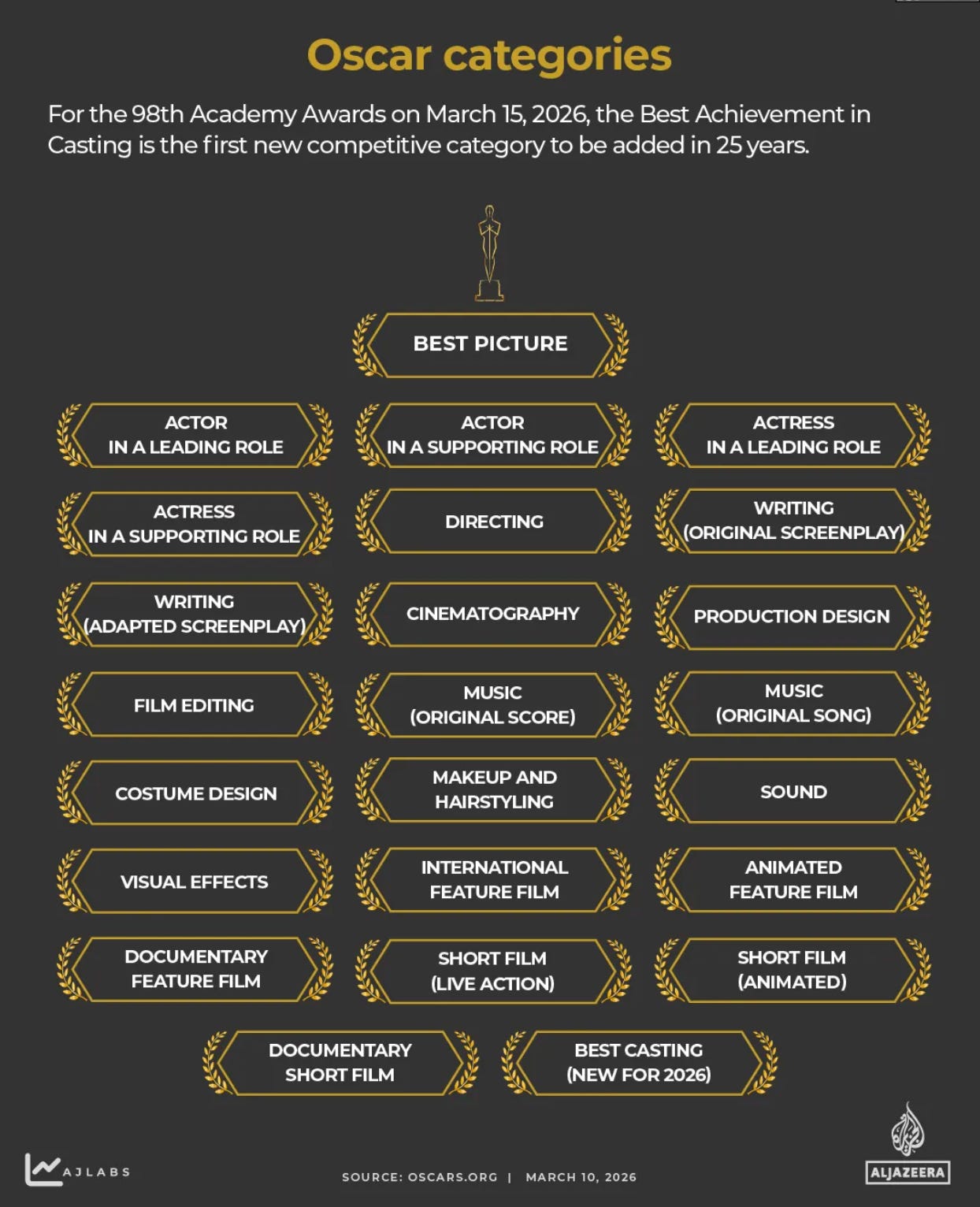
AWARDS TIP: Here's a little-known fact... most people outside the industry don’t know — and even some insiders might forget: if a filmmaker wants their film to be eligible for the Oscars or other major awards, they are required to screen it in a commercial movie theater — not just a film festival — for a minimum of seven consecutive days in one of six qualifying U.S. cities: Los Angeles, New York, the Bay Area, Chicago, Dallas-Fort Worth, or Atlanta. For features, that means a minimum of three screenings a day, with at least one in the evening prime-time slot. Short films face similar city rules, though they only require one screening a day. And here’s the kicker — many independent filmmakers actually pay the theater directly to make this happen. Some indie theaters even offer official Oscar-qualifying packages. The Roxie Theater in San Francisco, for example, charges up to $950 to get a short film into one of these qualifying weeks. Larger markets and feature-length slots cost considerably more.
Why does this matter for music? Because that theatrical qualifying run is a paid public exhibition — not a film festival — and festival rights don’t cover it. If your music is in that film, the filmmaker needs to come back to the table and renegotiate a theatrical license before that run happens. And if the film is generating Oscar buzz at that point? First off - congratulations! And your rate just increased. For composers working under a package deal, a theatrical run also triggers performance royalties through ASCAP and BMI that may not have been part of the original conversation. Bottom line — what starts as a festival placement can quietly become something much bigger. Make sure you keep track of your projects and include any potential format changes in your contract.
The Reality of Film Production Right Now
We all know where the film business stands today. Production has slowed considerably. COVID hit the industry hard, and the strikes compounded it further. The majors want to produce content at a lower cost and are searching for ways to do that, which include using AI and finding content on other platforms. The headlines are scary, stating that Hollywood is falling into an abyss, while people and companies are holding on to the hope that the business will come back sooner rather than later. We all have friends who have had to look for jobs in other industries while waiting for the industry to recover. The pipeline is thinner than it was a few years ago, and competition is real for everyone in the room — production companies, crews, composers, music supervisors, plus music libraries and artists pitching for placements.
That said, I refuse to give up hope! I believe film remains a meaningful opportunity — particularly for composers and independent artists who are sync-ready, have their rights in order, and are working with a music library or sync agent who can get their music in front of the right people and projects. A well-placed track in a festival darling that gets picked up can change the trajectory of a career. The exposure is real. The backend streaming bump is real. And if you own your masters and your publishing, the financial upside follows. This has happened before, and I am staying positive that it will happen again… soon.
Know what type of film project before going into any negotiation.
A Final Lucky Note
Everything in this four-part series was meant to give readers a working framework of rates and the visual media — a map of the terrain, not a guarantee of what you’ll find when you get there.
The fee ranges I’ve shared are drawn from my own direct experience working across multiple formats and projects, publicly available industry data, and published benchmarks from IFPI, the RIAA, Billboard, ASCAP, BMI, and current sync licensing guides from 2025 and 2026. They reflect directional ranges — not guarantees.
Every deal is negotiated individually, and your outcome will depend on the factors we covered in Part 1. If you didn’t read it, what are you doing here? Go back and read it! Here’s the link:
https://open.substack.com/pub/thisisyourluckybreak/p/diary-of-a-music-supervisor-entry?r=4c6j52&utm_campaign=post-expanded-share&utm_medium=web
There is no industry rate card. There never has been. What these tiers give you is context — so you walk into a conversation knowing roughly where the ceiling and floor are, not so you pull a number out of thin air and call it market rate. Everything is negotiable.
Use this as your starting point. Do your research. Know your worth. And if you’re ever sitting across from someone negotiating a deal, make sure you — or someone who knows this business — understand what you're signing before you sign it.
That’s what This Is Your Lucky Break is here for.
Have a question you want me to answer in a future Diary of a Music Supervisor or This Is Your Lucky Break? Drop it in the comments. I read everything.
If someone in your world needs to hear this, feel free to share it.
Look forward to seeing you next week!
Jacquie Lucky
This Is Your Lucky Break | thisisyourluckybreak.com
New every Wednesday-ish.
For deeper reporting on music industry revenue trends, publishing data, and sync market analysis, visit American Music + Media — where I serve as Publisher and Editor-in-Chief.
At AMM, we covered the National Music Publishers’ Association's 2025 report that the publishing business has grown to over $7 billion, with consistent year-over-year growth showing no signs of slowing. (Check out the AMM news report here: https://open.substack.com/pub/americanmusicmedia/p/amm-playback-sync-news-in-60-seconds?r=57dhyp&utm_campaign=post-expanded-share&utm_medium=web)
If you want to understand where the money in music is going — and where it’s coming from — that’s the number you need to sit with. Subscribe >> amusicmedia.com

Really enjoyed how you gave in depth details about what these things are like for majors and indie artists. Particularly a fan of the 2nd and 3rd installment topics like MFN and temp love rarely are talked about and these are things artist's need to know about.
I had one question as a new sync agent Ive spent years understanding this industry building my knowledge of the basics (splits, licensing, metadata, working to make sure artist's catalogues are one-stop/negotiations with pub admins, etc.)
And I was wondering, what would you like to see from a new sync agent coming to you with a diverse catalogue that would make you feel like they are worth working with?
Another great read. Part 2 & 4 were incredibly helpful in my world.